


Emma Gurner on Painting Vulnerability
In this conversation, Emma Gurner reflects on the deeply personal experiences behind her new portrait series, exploring how painting became a way of navigating vulnerability, resilience and recovery.

1. Your work has long been rooted in the careful observation of objects and interiors, reflecting your background in interior design. What inspired you to move from painting the spaces and things around you to making yourself the subject?
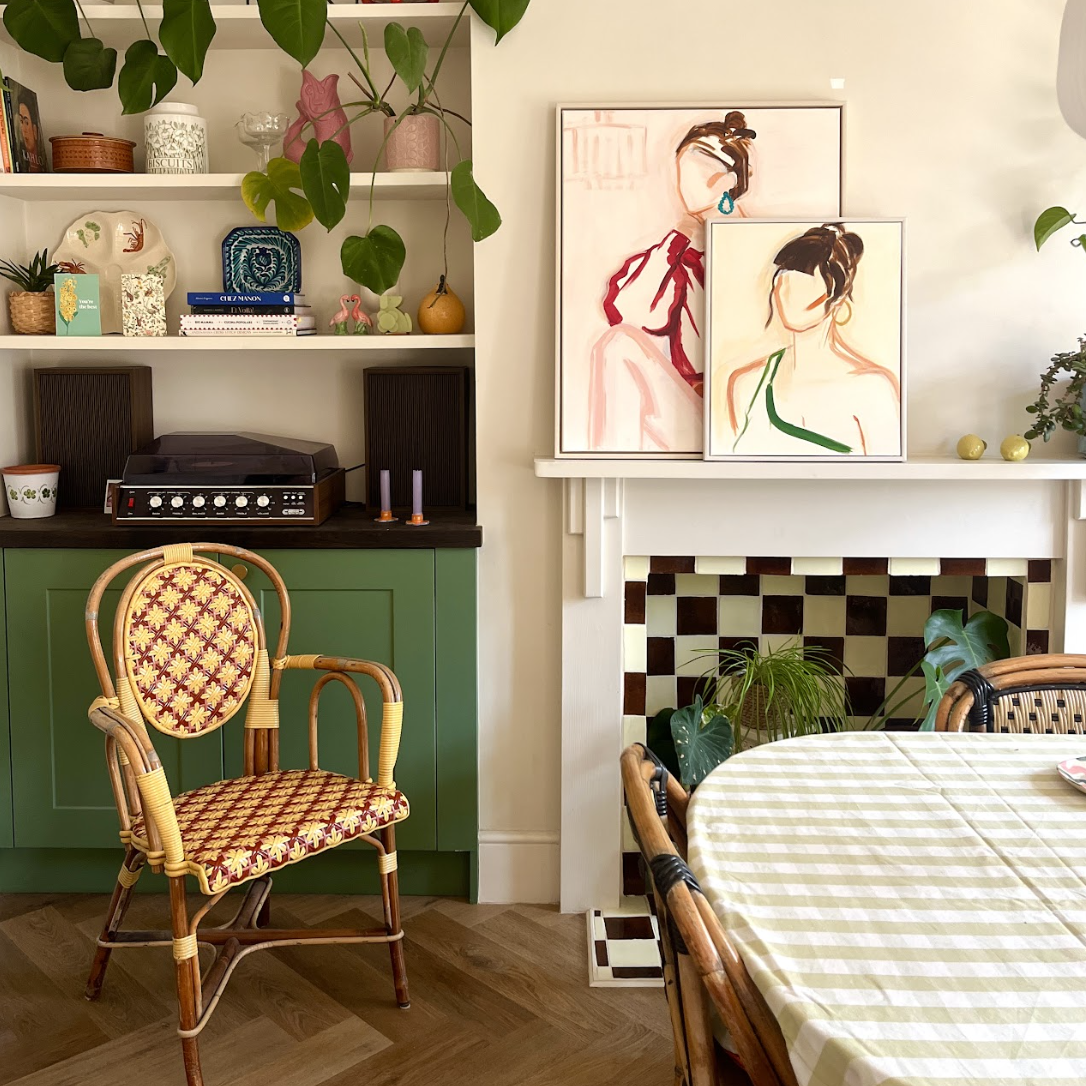
EG : My paintings have always been centred around creating a mood—whether that's conveying a particular feeling or expressing my own emotions.
At the beginning of this year, I injured my back, leaving me in severe pain and unable to sit upright for almost three months before having surgery. The paintings that followed became a way of processing that experience. They were an expression of vulnerability, helplessness and the frustration of suddenly losing my independence. I'm normally a very active person, so being forced to slow down was incredibly difficult. Making myself the subject felt like the most honest way to explore those emotions. It wasn't a conscious shift so much as a natural response to what I was living through at the time.

2. Painting everyday objects invites a very different kind of looking than painting yourself. How has the process of self-portraiture challenged or changed the way you see—as both an artist and an individual?
EG: I wasn't trying to paint a carbon copy of myself; it was more about capturing how I was feeling than creating an exact likeness. Even though I was the subject, I found myself observing the same things I always do—the shapes, forms, light and shadow, and the way colour and pattern interact. In that sense, the way I look and paint didn't really change.
What did change was the emotional connection to the work. Because the paintings came from such a personal experience, they became a way of processing what I was going through. They allowed me to express something that would have been difficult to put into words, while still approaching the painting with the same curiosity and attention that I bring to any subject.

3. Self-portraiture has long been a way for artists to explore identity, vulnerability and presence. What conversations were you hoping these paintings might open, both for yourself and for the viewer?
EG: I've always loved looking at self-portraits. They make me wonder who that person is, where they've come from and what their story might be. I hope these paintings spark that same sense of curiosity for the viewer. Although they're rooted in my own experience, I'd like people to find something of themselves in them too—whether that's recognising a feeling of vulnerability, resilience or simply a quiet moment of reflection.
For me, these paintings have become a record of a very particular time in my life. They remind me of a period when I felt physically helpless, but also incredibly well cared for and loved. Looking back at them now, they feel less like a reminder of pain and more like a marker of recovery, resilience and moving forward.


4. This series feels like the beginning of a new chapter. Do you see these self-portraits as a departure from your previous work, or as a natural continuation of the themes you've been exploring throughout your practice?
EG: I feel this series has opened up a broader perspective and given me the confidence to explore portraiture whenever it feels right. It's also made me realise how much I'd enjoy taking on portrait commissions, which is something I'd be delighted to pursue.
(continued below)

 EG: That said, I don't see these paintings as a departure from my previous work. If anything, they've reinforced what has always interested me: using painting to create a mood and capture a feeling. Whether I'm painting an interior, a collection of objects or a person, I'm still drawn to the same things—light, colour, pattern, composition and atmosphere. In that sense, these self-portraits feel like a natural continuation of my practice rather than a change in direction.

It has been a privilege to gain a deeper insight into the work and this deeply personal chapter of her practice. We hope this conversation enriches your experience of the series and offers a meaningful connection to the stories behind the paintings
 My sincere thanks to Emma Gurner for generously sharing the experiences behind these paintings. x